4 Volleyball Shoes Compared: Pros and Cons
Affiliate disclosure: this article includes Amazon affiliate links. If you buy through one, Volley-Dash may earn a small commission at no extra cost to you.
Shoes affect both performance and injury risk more than almost any other piece of gear a rec player buys, and picking between a basketball crossover and a dedicated volleyball shoe is the decision most people actually get stuck on. Rather than a generic buying guide, this one works through four specific, commonly recommended pairs — three basketball crossovers and one purpose-built volleyball shoe — with the real trade-offs of each.
What actually matters before comparing models
Three things separate a real court shoe from whatever running shoes you already own: a gum rubber (or similar non-marking) outsole built to grip a polished hardwood or synthetic surface, real lateral support for the side-to-side cuts volleyball is built around, and enough midsole cushioning to absorb a full match's worth of jumping without overloading your knees and ankles. Every shoe below clears that bar — where they differ is how they balance support, weight and cushioning against each other.
Way of Wade 12
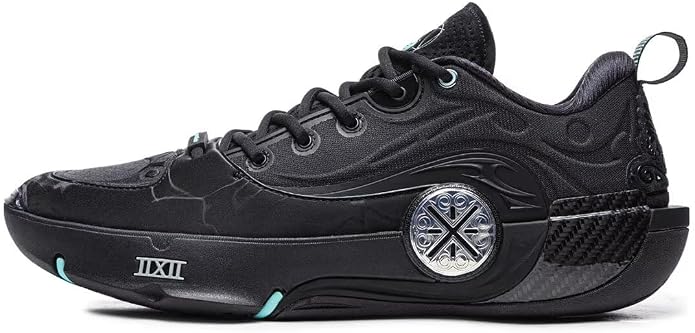
Li-Ning's signature line for former NBA guard Dwyane Wade is a basketball shoe, not a volleyball shoe, but it's popular enough as a crossover pick that it's worth including here on its own terms.
Pros:
- Strong ankle containment and a stiffer, more protective upper — reassuring if you're worried about rolling an ankle at the net.
- Cushioning tuned for repeated hard landings, which translates reasonably well to volleyball's jump volume.
- Durable build that holds up to frequent play without breaking down quickly.
Cons:
- Heavier than a dedicated volleyball shoe, which costs you a step on quick lateral movement over a long match.
- Priced closer to a flagship basketball signature shoe than a rec-league volleyball pick.
- Stiffer upper means a real break-in period before it feels natural cutting side to side.
Way of Wade 12 on Amazon — worth it mainly if you already play basketball too and would rather own one pair than two.
Nike Kobe
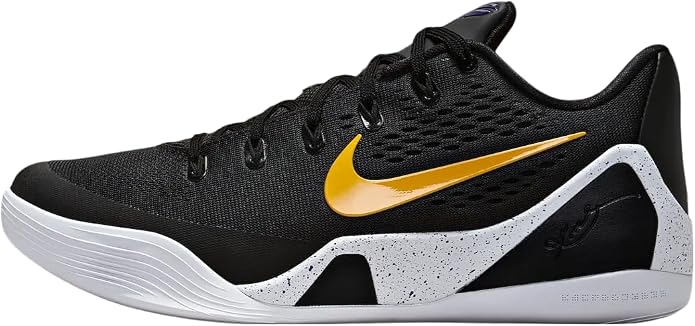
The Kobe line is a low-top basketball signature shoe built around a low-to-the-ground feel, which is exactly why it shows up so often as a crossover pick outside basketball.
Pros:
- Light for its category, with a low, court-feel ride that suits volleyball's quick direction changes.
- Responsive underfoot — favored by players who want to feel the floor rather than sit on top of thick cushioning.
- Widely available in a range of colorways and price points across different releases.
Cons:
- Low-top by design, so it gives up some of the ankle coverage a higher-cut shoe offers — a real consideration if you've rolled an ankle before.
- Cushioning is tuned for responsiveness over plushness, which some players find less comfortable across a long multi-match night.
- Sizing runs narrow for some feet; worth trying on rather than ordering blind.
Nike Kobe on Amazon — a reasonable pick if you want a light, low-profile shoe and don't mind the reduced ankle coverage.
Li-Ning Yushuai 19
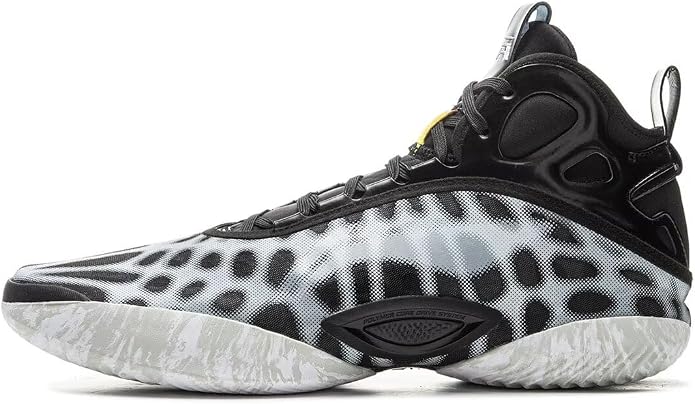
Despite the name overlap with Li-Ning's volleyball program, the Yushuai 19 is listed and sold as a basketball shoe, not a volleyball-specific one — worth knowing before you buy it expecting the latter. It's a third basketball crossover option on this list, built around Li-Ning's lightweight cushioning and support tech rather than volleyball's specific demands.
Pros:
- Genuinely light for a supportive basketball shoe, which helps on quick lateral movement more than a heavier crossover would.
- Built-in arch and ankle support (Li-Ning markets it as anti-rollover protection) that's useful for any sport with a lot of lateral cutting.
- Noticeably cheaper than the Way of Wade 12 for a comparable level of support.
Cons:
- Not actually engineered for volleyball specifically, whatever the name suggests — it's a basketball shoe first.
- Less widely stocked outside markets where Li-Ning basketball gear is more mainstream, so availability can be inconsistent.
- Sizing runs differently from most US-centric brands — check the specific size chart rather than assuming your usual size.
Li-Ning Yushuai 19 on Amazon — a budget-friendlier basketball crossover if the Way of Wade 12's price is the sticking point.
Asics Metarise 2
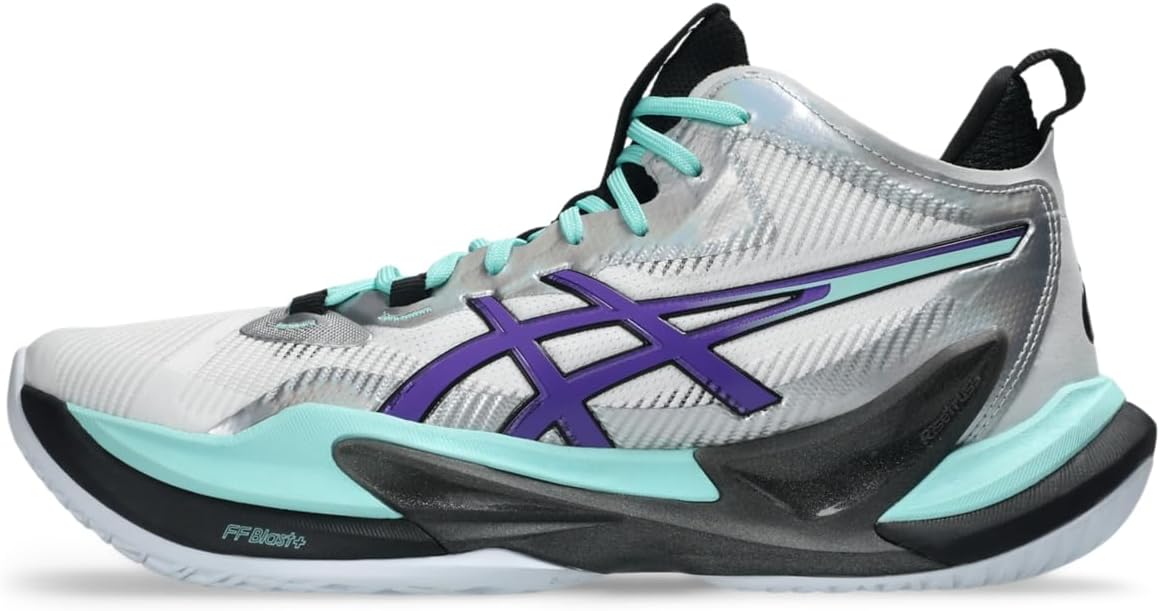
The Metarise line is Asics' volleyball flagship, and the closest thing on this list to what a lot of competitive indoor players already wear.
Pros:
- Built specifically around volleyball's jump-and-land pattern rather than general court movement.
- Asics sizing tends to run consistent and true-to-size for a lot of players, which reduces the ordering guesswork.
- Well established within the volleyball-specific gear community, with a long track record behind the line.
Cons:
- Priced at the premium end for a rec-league budget — you're paying for flagship engineering.
- Tuned for jump response over plush comfort, which won't suit everyone's preference.
- Colorway and size availability can be limited depending on region and release.
Asics Metarise 2 on Amazon — the pick if you want a proven, volleyball-specific flagship and the price fits your budget.
What reviewers and players generally say
A consistent pattern shows up across sneaker and volleyball-gear coverage of these four: the three basketball crossovers — the Way of Wade 12, the Kobe and the Yushuai 19 — get plenty of praise as sneakers: comfort, look, brand cachet, and in the Yushuai's case, value for the support it offers. But reviewers who actually cover volleyball gear specifically are quick to note that none of the three were engineered around this sport's particular stresses, like the ankle-roll risk from landing on another player's foot at the net. The Metarise 2, the one true volleyball-specific shoe here, tends to draw the opposite kind of feedback: less exciting as a lifestyle sneaker, but more consistently praised specifically for lateral quickness and match-length comfort by people reviewing it as volleyball gear rather than general athletic wear. Treat that as a general pattern rather than a verdict on any single pair — fit varies enough by foot shape that it's worth trying a pair on, or at least checking a detailed size chart, before buying on reputation alone.
How to choose between them
If you already play basketball and want one shoe that works for both sports, the Way of Wade 12, the Kobe or the Yushuai 19 are all reasonable choices — just go in accepting the weight or ankle-coverage trade-off that comes with a basketball-first design, and pick based on budget and how much ankle support you want. If volleyball is the only reason you're buying, the Metarise 2 will generally serve you better match after match, precisely because nothing about its design had to compromise for a different sport — it's the only shoe on this list with no such trade-off to weigh.
When to replace a pair, whichever you pick
Tread wear is the clearest signal — once the outsole pattern visibly smooths out in the high-wear zones (ball of the foot, outside edge from lateral cuts), grip drops off noticeably even if the shoe still looks fine otherwise. Most players who play once or twice a week get a full season or more out of a pair; players in multiple leagues or who play more frequently will wear through the tread faster.
Try before you fully commit
A shoe that feels fine walking around a store can feel completely different the first time you actually cut hard to the side or land from a jump. If a store carries any of these, do a few lateral shuffles and a light jump before buying rather than just a walk down the aisle. Buying online without testing the movement is riskier — if you go that route, check the seller's return policy specifically for a shoe that's been worn indoors briefly, since some retailers won't accept a return once the sole shows any wear.
How to build a balanced volleyball roster when your league drafts free agents — what to prioritize beyond raw talent, and common draft-day mistakes.
Get to Know the Official Rules of VolleyballWhere volleyball's rules actually come from — FIVB internationally, USA Volleyball domestically — and the real, official difference between them: substitutions.
Tips for First-Time Volleyball League PlayersPractical advice for someone about to play their first recreational volleyball league match — what to bring, what to expect, and common beginner mistakes.